
The music industry is changing at a pace, no doubt about it. Venues are closing, funding is scarce, and emerging talent is struggling to find a platform in an increasingly fractured market.
Is it any wonder when Private Eye reports Ticketmaster donated just £60,000 to Music Venues Trust, a charity supporting grassroots live venues, shortly before Christmas, while in comparison, Ticketmaster CEO Michael Rapino was awarded a compensation package totalling £111m simply for signing a new contract in 2023.
But if there’s one thing music history has taught us, it’s that some of the best movements thrive in times of crisis. And as the UK grapples with a funding vacuum, the big brands in music need to step up and lead the charge in shaping a future where artists can thrive.
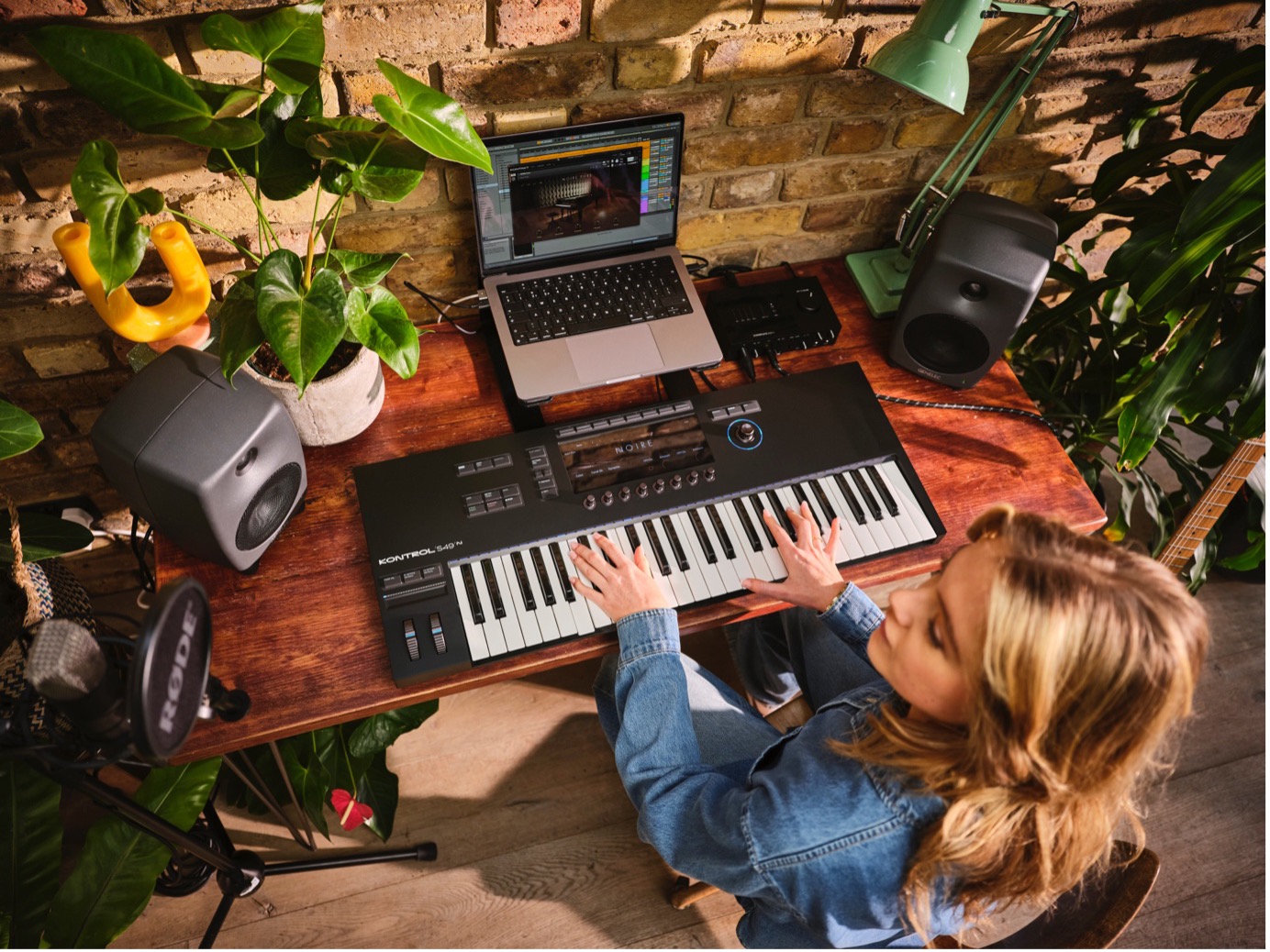
As an agency, we’re incredibly proud to represent music industry revolutionaries Marshall and Native Instruments, who are helping to support emerging artists and democratise music creation by making the tools of the trade more accessible and affordable. These brands aren’t just sitting back and letting the crisis unfold — they’re embracing the role of music industry saviours.
Music industry giants can make a difference

In a time when it feels like the industry is circling the drain, companies like Marshall and Native Instruments are showing how major brands can reimagine their role in music’s future.
Take a look at Native Instruments’ recent partnership announcements at NAMM 2025. By lowering its drawbridge to team up with iconic music hardware makers like Akai, Korg, and Novation, Native Instruments has made it easier for millions of music creators of all ages and backgrounds to tap into a unified ecosystem. The focus? Empowering creators. As Simon Cross, Native Instruments’ Chief Product Officer, puts it: “We want to give customers more choice.”
This move by Native Instruments doesn’t just signify a major shift in how music tech companies operate; it’s a nod to the power of collaboration over competition. These industry giants are showing the future isn’t about isolated empires but about creating ecosystems where artists have the freedom to experiment, create, and ultimately succeed.
Marshall, long known for its iconic amps that have powered legends like Slash and Jimi Hendrix, isn’t just sticking to its roots — it’s expanded its empire to include a diverse record label alongside a cutting-edge recording studio and live space. All in the name of supporting emerging artists and keeping music alive. Steve Tannett, music director at Marshall Records, says it best: “If you’re genuinely interested in helping artists, it is a very good way to do it.”

Marshall has embraced an artist-first mentality with record deals that offer artists 75% of net receipts. That’s not just a good deal; that’s revolutionary. It’s a clear message: big brands don’t need to milk artists dry. With its strong charitable trust foundation, Marshall is built differently. And that difference is putting the power back in the hands of creators.
Tannett’s vision is one of inclusion and empowerment. Whether it’s partnering with grassroots initiatives like MOBO UnSung or pushing for a carbon-neutral tour model, Marshall is about more than selling speakers, headphones and amps — they’re aiming to redefine what it means to be an artist-friendly brand.
Crisis breeds creativity

It’s hard to ignore the backdrop against which these changes are happening. We’re living through one of the most challenging economic climates in recent history. Public funding for the arts is dwindling, and yet, this is often when the greatest musical movements are born.
Take hip-hop in the 1970s and 1980s, a product of the social and economic crisis in New York. The movement exploded against a backdrop of rising crime rates, economic decay, and a lack of opportunity. Punk rock in the late 1970s arrived in the wake of economic recession and political disillusionment, particularly in the UK. Its raw, rebellious, and anti-establishment message had a DIY ethos in response to the lack of access to the mainstream music industry.
Grunge in the early 1990s centred on economic recession and youth disillusionment as Generation X struggled with feelings of apathy. This was flanked by the birth of electronic dance music flourishing in underground rave culture as an alternative to the mainstream music industry’s commercialisation.
The 2008 financial crisis sparked a resurgence of independent and DIY artists, thanks in part to the internet, social media, and streaming platforms like Bandcamp and SoundCloud. Meanwhile, grime can be traced back to social issues deeply entwined in the economic and political landscape, along with a perceived lack of representation in mainstream music. Like it or loathe it, even shows like Pop Idol and The X Factor were born out of a frustration that traditional music industry gatekeepers were limiting the exposure of new talent and only promoting established acts.
In recent years, especially during the COVID-19 pandemic, many music venues have faced financial difficulties and closures, threatening the livelihoods of artists, DJs, and music fans alike. The likes of Elijah and DJ AG, have recently launched campaigns to remedy venue closures and raise awareness for unsigned talent. They’re not just spinning records — they’re reshaping the landscape. It’s organic grassroots activism at its finest and an example of how musicians respond to crises and use their platform for something bigger than themselves.
PR’s role: Amplifying the right voices
But the kinds of innovation and collaboration Marshall and Native Instruments are championing need to be communicated effectively. A brand can have all the best tech or artist-first policies in the world, but if no one knows about it, it’s all for nothing. This is where strategic PR steps in. The key is telling stories that resonate with audiences and, more importantly, with artists. It’s about amplifying the right voices — whether it’s the forward-thinking brands like Marshall and Native Instruments or emerging stars who need their platform.
The story that needs to be told is that brands like this aren’t just selling products — they’re providing the tools that make creative expression possible when budgets are tight. Brands are stepping in where the state and institutions fall short, giving artists the means to create, collaborate, and get their work out there. As the saying goes, necessity is the mother of invention. In times of crisis, creativity often thrives, and PR plays an essential role in amplifying that creativity and ensuring it reaches the right audience.
For instance, consider how PR can highlight the impact of a major brand launch, like Native Instruments. A new product launch isn’t just about the tech specs — it’s about the potential it unlocks for musicians. How can an artist use this product to create something innovative? How does it democratise access to world-class tools? Through strategic PR, these questions can be woven into a larger narrative that resonates with both consumers and artists. It’s about framing the conversation in a way that brings value to the artist and inspires the audience to engage.
The social scene
 We also can’t ignore the power of social media in today’s music PR world. Artists and brands alike must leverage platforms like Instagram, TikTok, and YouTube to create organic, authentic connections with their audience. Fans today want transparency, and if the industry wants to gain their trust, it needs to show up for the artists — not just the bottom line. It’s about celebrating their journey and making them feel seen and heard.
This is especially important for Gen Z and Gen A audiences many of whom rely on the likes of TikTok to discover new artists and were recently at a loss if TikTok’s US ban had become permanent. In the US, TikTok users are twice as likely to discover and share new music than music listeners not registered to the app. They also spend noticeably more money on streaming platforms as a result of finding new music on TikTok. Whether you’re a fan of this or not, the business model of streaming platforms like Spotify ties into generation TikTok perfectly, where you only need to listen to a track for 30 to 45 seconds for artists to get paid, however minimal.
A new era for the arts
The UK’s music scene is at a crossroads, but this can be a moment of opportunity — an opportunity for brands to support emerging talent, empower creators with better, more affordable and accessible tools, and advocate for change in the way the industry operates. With financial support shrinking, we need innovation. We need brands to step in, just like Marshall has done with its artist-friendly contracts and Native Instruments with its ecosystem integration.
It’s easy to get bogged down by the doom and gloom, but sometimes, it’s in the darkest moments that the brightest stars emerge. Music moves in waves, and the wave we’re currently on might just be the one that carries the next generation of artists into the spotlight.
So, to all the major players out there — take note. The time to act is now. Whether through record deals, live agencies, or groundbreaking tech partnerships, we need you to lead the charge. And PR professionals? This is your moment to amplify the voices of those who are working tirelessly behind the scenes to shape a new era. Ready to make some noise? Hell yeah we are.

