
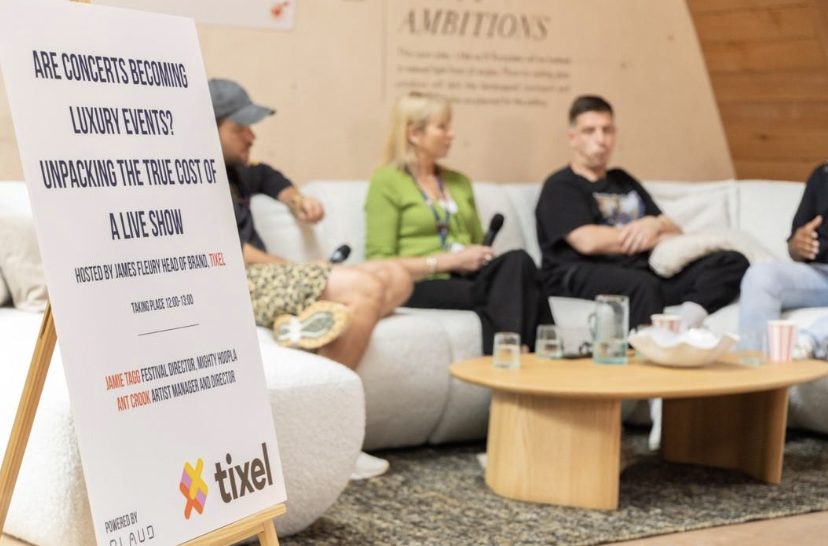
The Rooster Sessions made a powerful return at the Little Red Rooster Summer Showcase 2025. Unless you’ve been living under a rock, you’ll know the issue of dynamic pricing has been the talk of the music industry town for some time now. We brought together some of the industry’s sharpest minds for a discussion around one of the most pressing issues in live entertainment today: are concerts becoming a luxury experience?
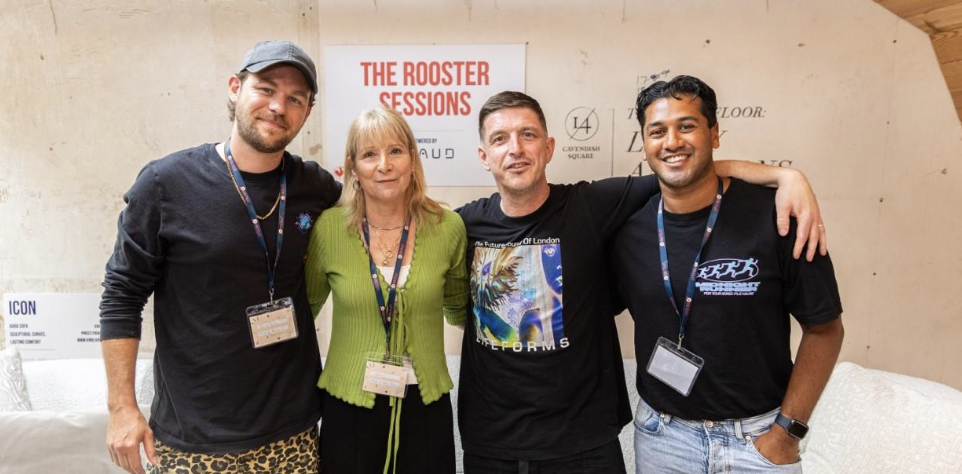
Moderated by Tixel’s Head of Brand, James Fleury, this panel pulled back the curtain on the real costs behind gigs and festivals, and why your £80 ticket might not be as scandalous as it seems. Joining him on the panel were three seasoned voices in the live music industry: Jamie Tagg, Festival Director at Mighty Hoopla Festival; Kerry Harvey-Piper, founder of Red Grape Music; and artist manager Anthony Crook (Ant) from Theory Management, who brought first-hand experience of planning and budgeting independent tours.
Tickets, toilets, and touring: The real cost breakdown
It didn’t take long for the panel to reveal some of the staggering truths about the skyrocketing costs associated with live shows. From £300,000+ toilet budgets (yes, really) to price hikes in hotel stays and transport, the cost of creating quality audience experiences has soared, often without audiences seeing the invisible but necessary upgrades that justify the increase.
Festival organiser Jamie Tagg put it bluntly: “This year, just to keep our toilets clean and comfortable, our costs jumped by £150,000 year-on-year and that’s purely because punters expect higher standards now. It’s not just greed. It’s demand.”
“It’s not just more toilets,” said Jamie. “It’s that audiences now expect festival loos with hard flowing, proper flushes, and hand sanitiser.”
Artist manager Kerry echoed this sentiment from the artist sidelid, having just wrapped a gruelling 26-date tour: “Hotels that used to be £60 are now £100+. Sprinter vans cost a third most than last year. These aren’t luxury expenses – they’re survival costs.”
Community over corporates: How to build loyalty through transparency
Despite rising costs, the panel made it clear that fans still value live experiences. In fact, UK Music reported that over 23.5 million people checked out live shows in 2024, a 23% rise from the previous year.
The key to sustaining that momentum? Transparency and trust. Mighty Hoopla, for example, has always communicated ticket price rises to its community upfront, even issuing detailed breakdowns via email to explain why an £8 increase was needed.
“We’ve always been honest about what we’re asking for and why,” said Jamie. “And our community gets it, because we’ve built that relationship over the years.”
The sense of loyalty was echoed by Kerry, who noted that community is what keeps grassroots music alive. Ant, in particular, shared how he’d transformed a touring loss into a profitable venture, simply by involving the fans more directly, cutting unnecessary crew, selling merch himself, and focusing on small efficiencies that added up.
Can independent artists compete with arena giants?
As the conversation turned to ticket pricing and dynamic pricing models, the panel tackled the elephant in the room: the dominance of mega-events like Beyonce or Oasis charging £330+ per ticket. Is this hurting emerging artists?
“Not really,” said Ant. “That’s a completely different world. It doesn’t impact the indie artist selling £20 tickets. But what does matter is that we educate fans on the real cost of putting on a show. Most fans still think we are printing money. We’re not.”
Jamie added that, rather than compete with stadium events, smaller festivals like Hoopla focus on their niche. “We’re not trying to be Glastonbury. We’re serving a specific community, and that comes with its own responsibilities – like accessibility, inclusivity, and safety, which also cost money.”
Is Glastonbury more of a PR investment?
One particularly striking moment came when the panel discussed the reality of iconic festivals like Glastonbury. Despite its prestige, many artists and managers walk away from Glasto in the red.
“It’s a PR spend. That’s it,” said Kerry. “No one’s getting paid properly. But the exposure is invaluable – if you can afford it.”
Owning the fan relationship
While streaming algorithms and social media continue to dominate how artists reach fans, the panel emphasised the power of good, old fashioned email lists. Tixel, Kaboodle and co:brand were all name checked as vital tools for owning the fan relationship and converting followers into ticketr buying superfans.
“We need to focus on Spotify members,” said Ant. “Now I’m more excited about growing a mailing list by 50 people. That’s 50 people I can speak to directly when we go on sale.”
Fixing the future: What needs to change
So, how do we make live music more sustainable – financially, socially, and environmentally?
From fairer council tenders for parks and venues, to improved access to data for independent promoters, to VAT cuts and venue subsidies, the panel offered a laundry list of suggestions. But perhaps the most urgent need? Support for grassroots venues.
“We are in a crisis,” said Kerry. “Without small venues, there are no area acts. Once those spaces go, they’re gone for good.”
It’s not just a gig … it’s a community
Whether it’s managing a tour, programming a festival, or selling merch at the back of the room, every person on stage agreed: building and nurturing a fan community is the most important investment an artist or organiser can make right now.
As Kerry summed up: “We’ve all been chasing tech, streaming, scale. But we’ve forgotten the basics: connection, belonging, loyalty. That’s how this industry survives.”
Want to hear more? Watch the full panel discussion here.

