
Number two in Eurovision, ‘Partygate’, Brooklyn Beckham’s wedding, Elon Musk buying (or not buying) Twitter, and back to normality. This year has been a wild ride so far.
In the ever-changing, constantly moving world of social media, however, how has 2022 fared? Has TikTok won the hearts (and screen time) of generations beyond Gen Z’ers? Are people shopping online as much as predicted?
With six months under our belts, we’re reflecting on how 2022 is shaping up in the world of social media, how the predicted trends of the year are panning out, and what we can expect for the next half of the year.
Social commerce is still top of the agenda
With more than $900 billion spent in social commerce in 2021, it’s the hot young thing of digital marketers and social media managers. Around £1.25 million in sales is expected to happen via social media by 2025, so it’s not slowing down by any means.
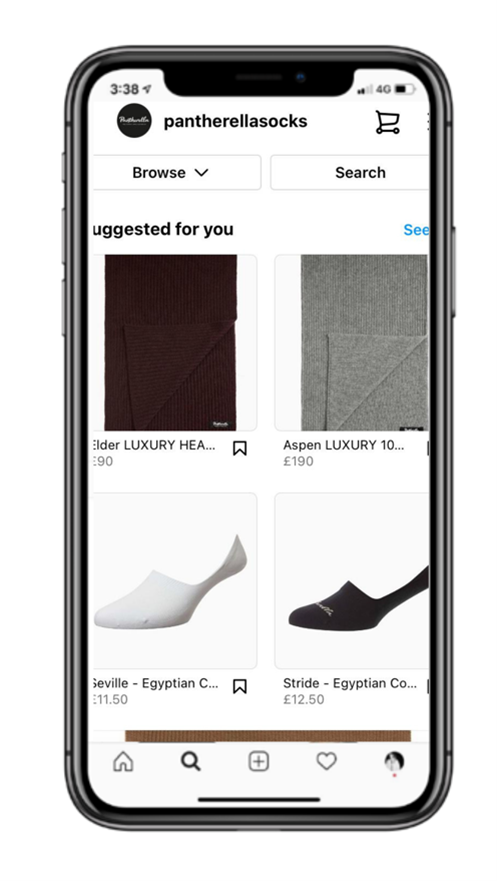
For any brand with its own D2C platform, social commerce should be an area of investment and a key part of any digital marketing strategy. Facebook’s advertising capabilities means you can show your target audience products from your social shop, directly encouraging in-app purchases. Research shows 82% of shoppers like how quick and easy it is to shop on social media and 71% prefer to buy immediately when viewing content rather than switching to a retail site. It goes without saying this provides a wealth of opportunity for brands and it’s Gen Z and millennial social media users who are driving this growth.
Social commerce tools open new revenue streams for businesses, so it’s a no-brainer. Social media allows brands a direct line to consumers and, thanks to its ever-changing nature, there are consistently opportunities to develop new types of shopping experiences in a way that is driven by content created by brands to increase engagement and call to actions.
According to a report by Accenture, clothing, consumer electronics, and home décor will make up the highest number of purchases globally.
It’s a creator’s economy
If you’re asking, “What is a ‘creator’s economy?’” then let us quickly explain. It’s basically influencer marketing with a new name trying to capture how much the big social media platforms and brands are investing in influencers and content creators.
This year has already proved pivotal in seeing changes to the ‘creator economy’ (or influencer marketing); not only are influencers essential to brands in growing awareness and reaching a new audience but they are essential to the social media platforms themselves. TikTok, Pinterest, Instagram and Snapchat have all invested in their own versions of a creator fund – a pot of money designed to attract and champion the internet’s most creative talent and, in turn, encourage them to spend more time on their platform over competitors.
As competition between the likes of TikTok and Instagram grows, as they compete for users’ precious online time, TikTok is expected to boost its creator fund to over one billion dollars in the next three years to support popular users on the platform.
Furthermore, with social media giants investing in creators it’s only natural for there to be an increase in influencers who no longer create content for free or in exchange for even high value products. There is an expiry date on this sort of arrangement and brands need to be prepared to pay for creators for the content they produce.
This isn’t just a trend on social media, either. Writers and journalists are jumping into the creator economy too. We’ve seen a massive increase in the number of people jumping over to platforms such as Substack (Note: Farrah Storr, ex-editor in chief of ELLE, Cosmopolitan and Women’s Health) Twitch and Patreon. These types of platforms allow an increased autonomy over the creators work and the freedom to write what they want.
However, as the influencer (or creator) industry matures – and inevitably starts to saturate – more and more brands are turning to micro influencers – those with less than 15k followers – to collaborate with. On average, micro influencers have higher engagement rates which gives smaller brands an opportunity to grow their presence.
Sustainability and diversity are core parts of purchasing decisions
More and more we are seeing a conscious but sceptical consumer – the result of a global pandemic, the concern around climate change and continuing eco disasters.
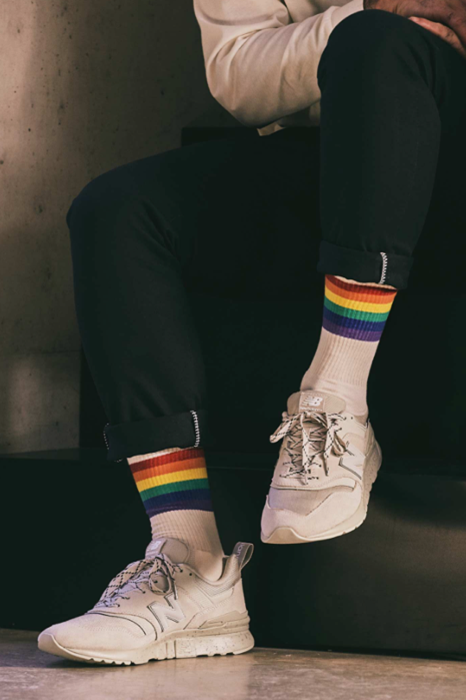
For brands, this consumer mindset might be scary, but it helps keep businesses accountable for their actions and the pledges they make to social, environmental, and ecological responsibility. For want of a better word, authenticity remains a must as 52% of consumers believe brands take stances on issues are just trying to drive sales.
In 2022 and beyond, it’s crucial brands are transparent and continue showcasing their progress within their external comms strategy. However, brands must ensure commitments they make externally reflect internal policies; don’t make a stance on supporting Pride but then forget to follow it through with a pledge to donate to an LGBTQ+ charity or a diverse hiring strategy.
To TikTok or not to TikTok?
The biggest debate of any social media manager or agency – do we take the TikTok leap?
With Instagram’s algorithm proving murkier than ever – brands and creators alike are reporting inexplicable drops in engagement rate, reach and impressions – more and more people are turning to TikTok to gain back visibility of their brands and profiles.

Despite a predominately Gen Z audience, is there a place on TikTok for luxury and high-end brands? TikTok has recently upped its usability for businesses by adding useful tools such as ads and business profiles, so it’s no longer just a platform for young creators to show off their dance moves. In addition, Prada (yes, that Prada) worked with TikTok to launch the #PradaBucketHatChallenge to encourage people to make videos showing how a Prada bucket hat can be styled. With the help of several influencers to promote the challenge, the hashtag had 6 million views in the first two months.
How many users see TikTok as a platform where they can learn about new products and brands and how many would trust what they saw? TikTok itself claims 47% of users have “bought something seen on TikTok” and 67% “agree that TikTok inspired them to shop even when they weren’t looking to do so” and with 52% of TikTok users above the age of 30, perhaps there is opportunity to for brands to target their older demographic.
TikTok has an almost unique position as marketing or advertising on this platform doesn’t yet feel like it’s marketing; by partnering with influencers to build audience trust and create entertaining videos.
TikTok is driven by trends – challenges and trending hashtags are a gold mine for brands and the opportunity to go viral is much more likely than Instagram, so perhaps we will be taking the jump sooner than we think.

